From Making Every Contact Count (MECC) to Making Every Contact Meaningful

Tiago Moutela on May 21, 2026
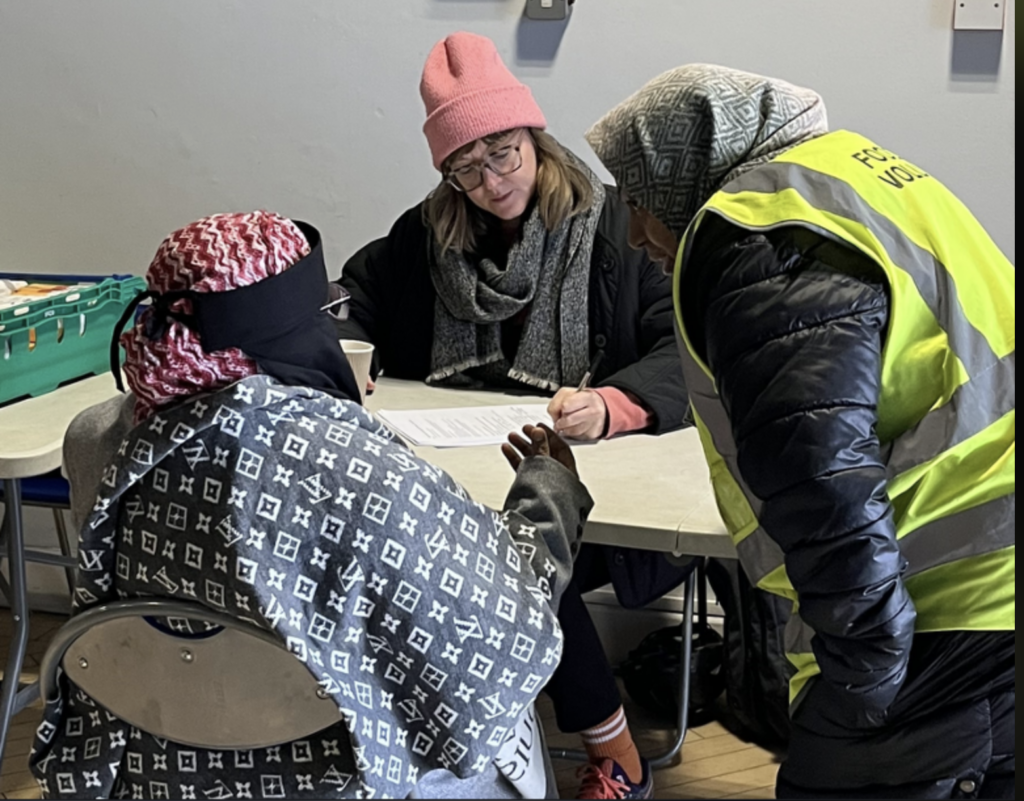
I’ve been thinking a lot about the importance of trust and human connections in healthcare services.
A recent project has taken me deep into questions and reflections about how people perceive public health services, what makes them engage and stay engaged.
In conversations with colleagues across public health and healthcare services, I have been talking endlessly about the technical elements of behaviour change interventions and campaigns. Things like key behaviour change models, motivational strategies, intervention design, delivery modes, data, measurement, outcomes, you name it!
All of it matters…a lot. But having spent time with people who might join these services in the future I keep returning to the same realisation. We should not overlook something that matters as much, and is far less technical…
Human connection.
And that’s where MECC (Making Every Contact Count) often enters the conversation. For years, public health teams have championed MECC and rightfully so. It makes perfect sense. Equip frontline professionals with the tools, prompts, materials and confidence to use everyday interactions as opportunities for health improvement. Informed by behavioural science, it’s simple, efficient and scalable.
The issue is…
MECC can easily become a tick‑box exercise or a quick signpost, with a simple leaflet handed over and a “you can access this website if you have any questions or concerns”. And while the intention behind MECC is strong, the execution can sometimes miss the mark.
Change rarely happens in moments that feel transactional. People may forget a leaflet they were given, but they will almost always remember how that interaction made them feel. An encounter might meet MECC guidance on paper, but do little to build trust or open the door to future engagement.
For people juggling scarcity, with time, money, stability or emotional bandwidth, MECC interactions can sometimes be off‑putting and shallow. We hear it all the time!
The acronym may not be as snazzy (I definitely need to work on that!), but perhaps it’s time to move beyond Making Every Contact Count and start talking about Making Every Contact Meaningful (MECM). Interactions matter more when we feel seen, heard, understood and valued through:
- Focusing on what matters most to people. Seeing the person, not the problem.
- Taking a moment to listen (really listen!) rather than jumping straight into educating or prescribing.
- Aiming to build trust, not compliance.
Meaningful connections are what resonate. These aren’t “nice to haves.” They are essential conditions that make behaviour change possible.
I keep returning to the fundamental difference between informing and connecting, and the even bigger difference between making contacts count and building relationships.
If we want to make real progress on health inequalities, we must shift from telling people where they should be, to investing time, energy and money in understanding where they truly are. That does not necessarily require behaviour change techniques or technical frameworks, it requires curiosity, compassion and consistency. It requires making the foundations of our interactions relational, not instructional.
MECC gives us the structure and I’m inviting those working in behaviour change and public heath to bring the human dimension back into it. I think that may be the most powerful driver of change we have.