Reviewing our event: How inequality shapes migraine – insights from new research

Francesca Butcher on Dec 3, 2025
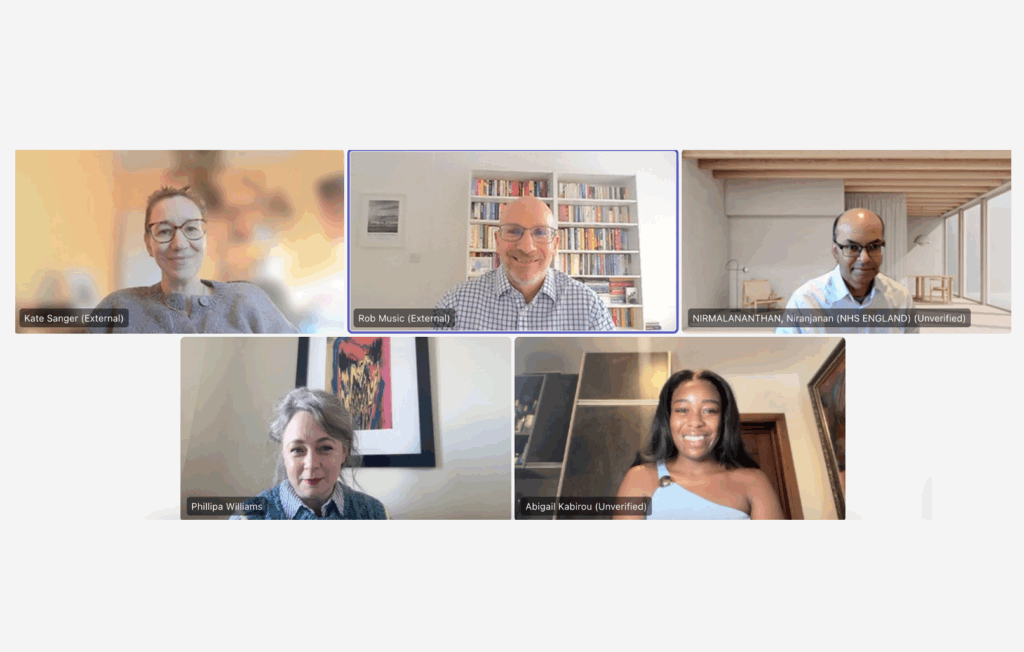
A big thanks to all our speakers at our latest event – ‘How inequality shapes migraine – insights from new research’ – where we unveiled our latest research on the migraine experience.
This is the first research to explore how gender, ethnicity, and social grade shape people’s migraine experience. It reveals how identity and perception influence not only interaction with the health system and ability to stay in work, but also the likelihood of disclosure—whether individuals feel able to speak openly about their condition in professional, medical, or social settings.
The event was chaired by Rob Music, CEO of the Migraine Trust. Our speakers came from a range of backgrounds: Phillipa Williams (Strategy Director, Claremont) shared key findings from the research; Abigail offered her powerful personal story as someone living with hemiplegic migraine; Dr Niran Nirmalananthan (National Clinical Director for Neurology, NHS England) provided clinical insights and context; and Kate Sanger (Head of Policy and Communications, Migraine Trust) discussed the workplace and policy implications.
What did we learn?
- Migraine is far more than “just a headache”—it’s a complex, invisible condition that affects one in seven people in the UK.
- Inequality shapes every aspect of the migraine journey. People from minoritised ethnic backgrounds and lower socioeconomic groups are more likely to feel dismissed, misunderstood, and unsupported—both in healthcare and at work.
- Disclosure is risky. Many fear discrimination or job loss, leading to silence and isolation.
- Self-management is the norm, not the preference. Many rely on their own coping strategies, often because healthcare falls short—especially for those from Asian and Black communities.
- Support starts with belief and connection. What people want most is to be listened to, trusted, and given space to recover—without guilt or stigma.
What’s next?
This research is just the start. There’s a clear need for more tailored support, better workplace practices, and a cultural shift towards understanding migraine as a serious, fluctuating condition. The Migraine Trust is keen to work with organisations and communities to build on these findings and drive change.
Many thanks to all who came. We’ve uploaded a recording on YouTube for anyone who’d like to watch (or re-watch).
Teva UK Limited provided funding for this health awareness activity, but had no involvement in the production, final content of materials, or resulting outputs.