Webinar: How Behavioural Science can build healthy screen habits for under‑5s

Jenny Prout on Jun 4, 2026
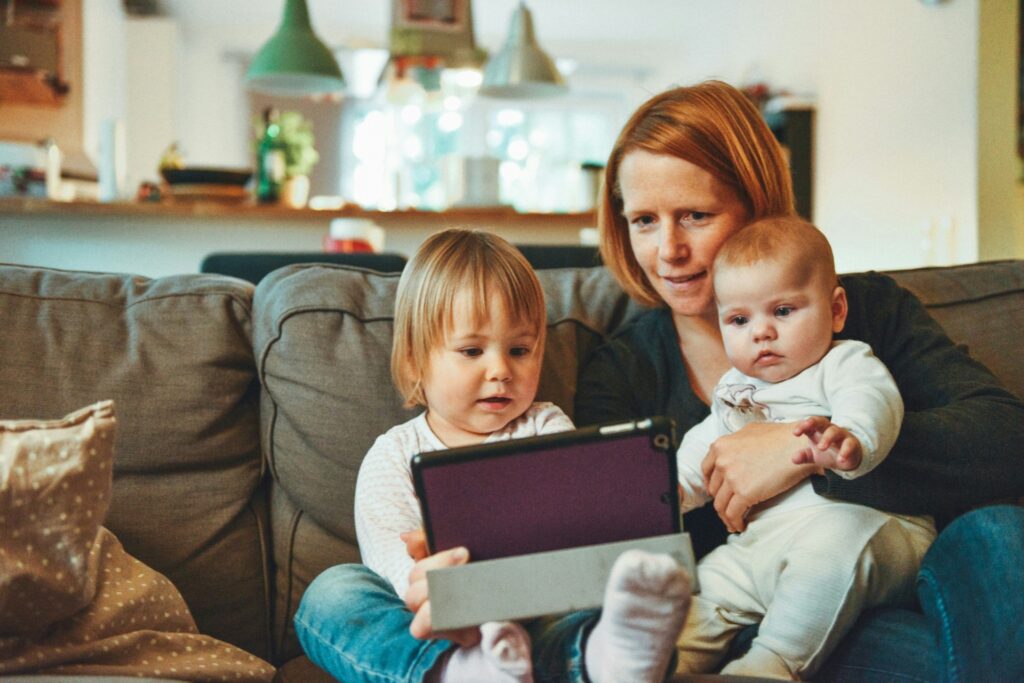
For our latest behaviour change briefing webinar we brought together experts in children’s media, childcare and parent advocacy to explore a pressing challenge for families: how to turn the government guidance on screen use for under fives into practical advice that can be understood and effectively implemented in real life.
While the guidance is grounded in strong evidence, the discussion focused on the “intention–action gap” many parents face. As panellists highlighted, knowing what to do is not the same as being able to do it – especially amid the realities of busy, stressful family life.
One of the key themes from the discussion was the importance of specificity. Vague concepts like “limit screen time” or “choose slow‑paced content” can increase cognitive load and leave parents unsure how to act.
The panel explored how behavioural science can help translate these into practical decisions – from recognising what counts as slow‑paced content to using simple tools like time‑boxing and turning off autoplay.
“Clarity is an equity intervention in itself.” — Emily Rayner
The advice was to choose simpler content that has clear narratives and relatable worlds (rather than fantasy) and to always focus on how that content makes children feel and behave.
“Look out for shows that don’t have too much movement, feel slower, have more calming colours and you won’t go too far wrong.” — Jane Baxter
The conversation also emphasised reframing. Rather than focusing purely on limits, there is an opportunity to highlight what families gain: connection, calmer routines and shared moments. Co‑viewing, co‑play and conversation were consistently identified as the most beneficial forms of screen use and a clear positive for development and learning.
“It’s really important for children to also see their parent having fun and playing with them.” — Olivia Dickinson
At the same time, speakers were clear that screens are often used as a coping tool. Parents are managing competing pressures in different settings – whether that’s work, childcare or household responsibilities – so often portable devices provide essential moments of respite. Recognising this reality, rather than ignoring it, is key to designing guidance that feels achievable rather than judgmental.
“Parents might recognise screens are problematic – but also that they’re useful and life is overwhelming.” — Rhiannon Evans
The panel also explored how defaults and environments shape behaviour more than intentions. Parental controls, app settings and household rules (such as dedicated screen‑free times) can reduce the cognitive burden on parents. However, there was strong agreement that the platforms themselves could and should do more to support families by default.
Another important thread was about social norms and parental confidence. Conversations among parents (particularly in online communities like Mumsnet) are often characterised by empathy and the shared struggle rather than perfection. Practical, relatable examples were seen as far more helpful than abstract advice.
Finally, the discussion highlighted the importance of role modelling and shared experiences. Children learn from adult behaviour, and small changes such as putting phones away during play can make a meaningful difference. Crucially, positive screen use does exist: from co‑playing games to creating videos together, screens can support creativity, learning and connection when used intentionally.
“We have to role model behaviour and be intentional with our movements with children.” — Joss Cambridge-Simmons
The session closed with reflections on future opportunities, including co‑designing guidance with parents and influencing industry to create healthier defaults.
The clear message: improving screen habits isn’t just about individual behaviour change – it requires support from systems, services and technology providers alike.
If you’d like Claremont to help you explore this topic further e.g. through research or co-design with parents, developing behaviourally informed comms materials, designing campaigns or strategic thinking do get in touch about partnership opportunities.